
Landyn

As daily tasks wind down, setting aside time for slower activities can create a natural pause before sleep. THCA flower may be considered alongside familiar relaxation habits that suit individual preferences. A quiet routine can include gentle hobbies, reduced stimulation, and a comfortable setting. Keeping these choices simple may help create a consistent pattern for personal downtime with thca flower.

Establishing A Gentle Nighttime Pace

A slower pace can help separate busy daytime responsibilities from personal downtime. Setting aside time for quiet activities may make the transition feel more natural. Familiar routines can provide structure without adding unnecessary effort to the evening. Keeping expectations modest allows relaxation habits to remain comfortable and easy to maintain.

Which Habits Promote Quiet Downtime?

Quiet personal activities can encourage a more settled period after regular responsibilities. Reading, listening to soft sounds, or practicing slow breathing can reduce unnecessary stimulation. A familiar routine may also pair well with thca flower when it matches individual preferences and circumstances. The focus should remain on creating a routine that feels natural rather than complicated.

Creating A Soothing Personal Space

The surrounding setting can influence how easily someone settles into personal downtime. Softer lighting and fewer interruptions can create an atmosphere suited to slower activities. Keeping frequently used relaxation items nearby may also make the routine easier to follow. A familiar setting can support consistency without requiring major changes.

How Can Evening Choices Stay Simple?

Keeping relaxation habits simple can make them easier to repeat regularly. A person can select a few activities that fit their schedule without creating a demanding routine. Personal limits can help maintain a balanced approach when exploring different choices. THCA can remain an optional element within a broader pattern of mindful personal habits.

What Supports A Consistent Routine?

Consistency often comes from repeating habits that feel practical and personally suitable. Choosing a similar period for quiet activities can help establish a recognizable transition toward rest. Paying attention to personal preferences may also show which routines feel most comfortable. A measured approach allows changes to be made gradually when needed.

  • Familiar timing can make quiet periods easier to maintain.
  • Gentle hobbies may encourage slower movement after busy hours.
  • Reduced interruptions can support greater focus during downtime.
  • Personal limits can keep relaxation choices manageable each evening.
  • Consistent surroundings may encourage a more settled routine.

A useful relaxation routine does not require complicated additions or numerous activities. Simple timing, familiar surroundings, and personal preferences can create a smoother shift toward downtime. Anyone considering THCA should consider their own circumstances before including it within personal habits. Keeping choices measured and routines manageable can make evening relaxation easier to maintain without unnecessary pressure.
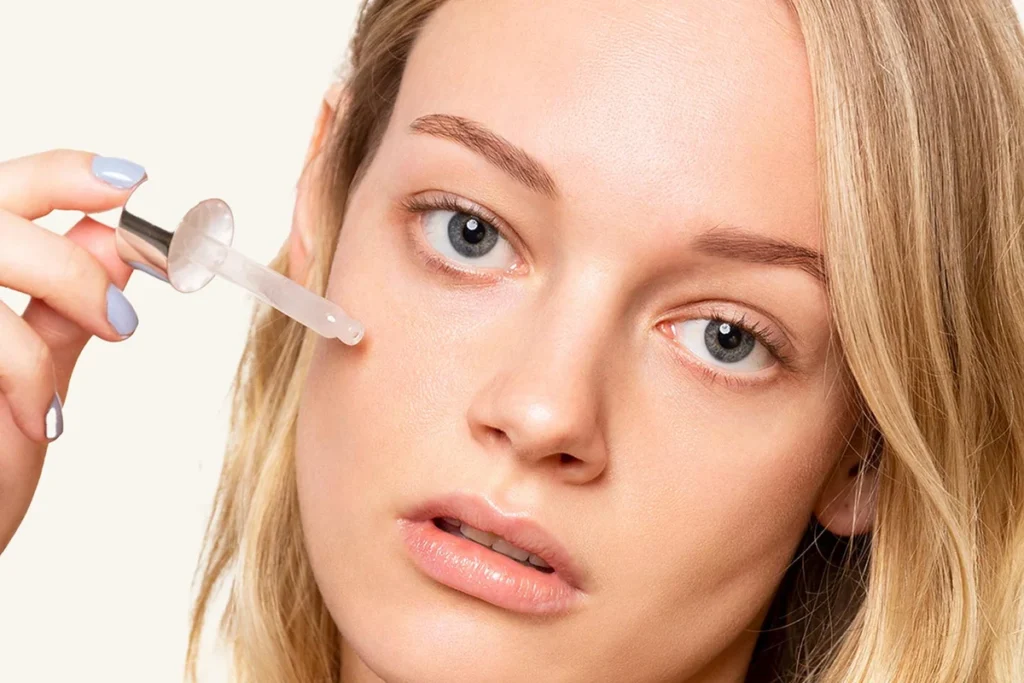
Peptide choices make more sense when personal goals come first. Skin concerns, metabolic needs, recovery aims, and reproductive factors can differ greatly. For anyone comparing glow vs klow peptide blends OBGYN Key, formulation purpose deserves careful attention. Ingredient selection should connect directly with the intended outcome. That approach also keeps unnecessary complexity from shaping the decision.

Personal Goals Should Shape Formulation Choices

A clear goal gives peptide selection useful direction. Someone seeking skin support needs different priorities from an individual focused on recovery. Ingredient lists then become easier to assess. Each component should have a recognizable purpose connected with the desired result.

A focused approach can help assess:

  • The main outcome receives clear priority.
  • Each ingredient serves a defined purpose.
  • Dosing remains practical for daily routines.
  • Unnecessary components receive less attention.

This method also makes comparisons more balanced. Ingredient quantity alone does not determine usefulness.

Skin Priorities Need A Closer Look

Skin-focused formulations often attract attention through appearance-related claims. A better assessment starts with composition and purpose. Hydration, texture, firmness, and overall appearance represent different concerns. Therefore, a suitable blend should match the specific cosmetic priority.

For example, someone concerned about texture may value different ingredients than someone seeking hydration support. Such distinctions prevent broad marketing language from guiding every choice. The formulation becomes easier to judge when the desired change stays specific.

glow vs klow peptide blends OBGYN Key

OBGYN Context Can Influence Selection

Reproductive health can add another layer to peptide decisions. Pregnancy plans, fertility treatment, hormonal changes, and current medicines may affect suitability. In this setting, glow vs klow peptide blends OBGYN Key can be considered through a more personal lens. An OBGYN can review those factors alongside the intended purpose.

That review matters because cosmetic goals rarely exist alone. Medical history can change what deserves attention first. A personalized discussion can also identify questions about timing, dosing, or interactions.

Does Delivery Method Affect Daily Use?

Formulation design also affects routine and consistency. A complicated method may become difficult during busy weeks. Simpler options can feel easier to maintain over time. However, convenience should not replace attention to ingredients or dosing.

Delivery choices can influence practical experience through:

  • Storage requirements may affect household routines.
  • Application steps can change daily convenience.
  • Dosing schedules may influence consistency.
  • Administration methods can require added guidance.

These details become important when two formulations share similar goals. Practical use can separate an appealing option from a workable one.

One Priority Can Clarify The Entire Choice

Peptide selection becomes clearer when one priority leads. A person focused on skin appearance may need a different formulation from someone managing broader concerns. The same ingredient list can therefore hold different value for different people. A precise goal turns comparison into a practical decision.

When that goal changes, the preferred formulation may change too. That flexibility matters more than choosing the broadest blend available. A smaller, focused choice can sometimes make the entire routine easier to understand.


Understanding the Connection Between Orthodontics and Oral Health

Orthodontic treatment has long been associated with concerns about maintaining optimal oral hygiene, and for good reason. Traditional metal braces create numerous nooks and crannies where food particles and bacteria can accumulate, making thorough cleaning a challenging endeavour. However, the landscape of orthodontic care has evolved considerably, with clear aligner systems such as Invisalign in Plymouth offering a refreshing alternative that addresses many of these hygiene-related concerns. The removable nature of these modern orthodontic devices presents a compelling advantage for those seeking to straighten their teeth whilst maintaining excellent oral health throughout their treatment journey.

When considering orthodontic options, understanding how different systems impact dental health becomes paramount. Tooth decay remains a significant concern for patients undergoing orthodontic treatment, as the presence of appliances can complicate daily oral care routines. Clear aligners have emerged as a solution that not only straightens teeth effectively but also supports better oral hygiene practices during the treatment process. This innovative approach to orthodontics has transformed the experience for countless patients who previously worried about compromising their dental health whilst pursuing a straighter smile.

The Removability Advantage

The single most significant factor contributing to reduced tooth decay risk with clear aligners lies in their removable design. Unlike fixed braces that remain bonded to teeth for the duration of treatment, patients can simply remove their aligners before meals and during oral hygiene routines. This fundamental difference eliminates the primary challenge faced by traditional brace wearers: the difficulty of cleaning around brackets and wires. Patients can brush and floss their teeth exactly as they did before treatment commenced, ensuring that no areas remain inaccessible to proper cleaning techniques.

The ability to maintain one’s regular oral hygiene routine cannot be overstated when considering long-term dental health. Those seeking Invisalign often cite this particular benefit as a deciding factor in their choice of treatment. Without permanent fixtures obstructing access to tooth surfaces, patients can thoroughly clean every area of their mouth, significantly reducing the accumulation of plaque and bacteria that lead to cavities and gum disease.

Reduced Food Trap Complications

Traditional orthodontic brackets create countless small spaces where food particles become lodged, often requiring specialised cleaning tools and considerable time to address properly. Clear aligners eliminate this concern entirely, as they are removed before eating. Patients can enjoy their meals without worry, then clean their teeth thoroughly before reinserting their aligners. This straightforward approach means that food debris never becomes trapped against tooth enamel for extended periods, dramatically reducing the conditions that promote bacterial growth and acid production.

Furthermore, the smooth surface of clear aligners does not harbour the same bacterial accumulation that occurs with metal brackets and elastic bands. Research has demonstrated the relationship between orthodontic appliances and oral hygiene challenges, highlighting how traditional braces can complicate plaque removal. Clear aligners sidestep many of these issues through their design, allowing for easier maintenance of a healthy oral environment throughout treatment.

Professional Cleaning and Monitoring

The ease of access to all tooth surfaces benefits not only daily home care but also professional dental cleanings. Dental hygienists can perform thorough cleanings without navigating around fixed appliances, ensuring that every surface receives proper attention. Regular check-ups during orthodontic treatment allow practitioners to monitor oral health closely and address any concerns before they develop into more serious problems. This proactive approach to dental care, combined with effective strategies for preventing tooth decay during orthodontics, creates an optimal environment for maintaining healthy teeth throughout the alignment process.

Patients also benefit from the ability to use fluoride treatments and other preventive measures without the interference of permanent brackets. Mouthwashes, fluoride rinses, and even professional applications can reach all tooth surfaces effectively, providing comprehensive protection against decay throughout the treatment period.

Achieving a Healthy, Straight Smile

The combination of removability, ease of cleaning, and unrestricted access to professional dental care makes clear aligner systems a superior choice for those concerned about maintaining optimal oral health during orthodontic treatment. By addressing the fundamental challenges that traditional braces present, modern clear aligners allow patients to pursue their aesthetic goals without compromising their dental health, resulting in outcomes that are both beautiful and healthy.

The Revolutionary Journey of Modern Dental Composites

The landscape of restorative dentistry has undergone a remarkable transformation over the past six decades, with composite bonding Leeds emerging as one of the most significant innovations in dental care. What began as a somewhat rudimentary tooth-coloured filling material in the 1960s has evolved into a sophisticated system of materials that offer exceptional aesthetics, durability, and versatility. Today’s composite resins bear little resemblance to their predecessors, representing a triumph of materials science and clinical research that has fundamentally altered the way dental professionals approach restorative treatments.

The journey from early composite formulations to contemporary materials has been marked by continuous refinement in filler technology, resin chemistry, and bonding mechanisms. These advancements have not only improved the immediate clinical outcomes but have also significantly enhanced the longevity of treatments, offering patients restorations that can withstand the rigours of daily function whilst maintaining their aesthetic appeal for years. The impact of these improvements extends beyond simple cavity fillings, influencing procedures ranging from composite bonding practices to complex full-mouth rehabilitations across the United Kingdom and beyond.

Understanding the Science Behind Composite Resin Development

The Fundamental Components

Modern composite resins comprise three essential components that work in harmony to create a material capable of mimicking natural tooth structure. The organic resin matrix, typically based on dimethacrylate compounds, provides the material with its workability and initial bonding properties. The inorganic filler particles, which can range from nanometres to micrometres in size, contribute strength, wear resistance, and optical properties. Finally, the coupling agent creates a chemical bridge between the resin and fillers, ensuring the material functions as a cohesive unit rather than separate phases.

Advances in Filler Technology

The evolution of filler technology represents perhaps the most significant leap forward in composite resin performance. Early composites utilised large filler particles that, whilst providing reasonable strength, resulted in rough surface textures and poor polishability. The introduction of microfill composites in the 1970s addressed aesthetic concerns but compromised mechanical properties. Research into nanohybrid composite materials has since revolutionised the field, combining nanoparticles with larger fillers to achieve optimal strength, polishability, and aesthetic characteristics simultaneously.

Clinical Performance and Longevity Factors

Polymerisation Shrinkage and Stress Management

One of the persistent challenges in composite dentistry has been managing polymerisation shrinkage, the inevitable contraction that occurs as the material cures. This phenomenon can compromise the marginal seal, leading to microleakage, secondary caries, and ultimately restoration failure. Modern formulations have addressed this issue through innovative resin chemistry and the development of low-shrinkage materials. Studies examining the mechanical properties of contemporary composites demonstrate significant improvements in dimensional stability, contributing to enhanced long-term clinical success rates that now regularly exceed ten years for posterior restorations.

Enhanced Wear Resistance

The wear characteristics of composite materials have improved dramatically, making them viable alternatives to traditional amalgam in posterior applications. Advanced filler technologies and improved resin matrices have resulted in materials that can withstand the substantial occlusal forces present during mastication. This enhanced durability has expanded the indications for composite use, allowing practitioners to confidently restore heavily loaded areas whilst maintaining excellent aesthetic outcomes.

The Influence on Contemporary Dental Practice

The sophisticated nature of modern composite resins has transformed clinical protocols and patient expectations alike. Minimally invasive dentistry has become increasingly feasible, as contemporary materials bond effectively to tooth structure, eliminating the need for mechanical retention features that require additional tooth preparation. This conservative approach preserves healthy dental tissue, promoting long-term tooth vitality and structural integrity. Furthermore, comprehensive analyses of composite resin materials highlight how shade matching capabilities have evolved, enabling practitioners to achieve virtually undetectable restorations that seamlessly integrate with natural dentition.

The versatility of composite bonding specialists now employ extends beyond traditional restorative applications. Cosmetic enhancements, orthodontic attachments, and even structural reinforcement of compromised teeth have all benefited from material improvements, demonstrating the far-reaching impact of composite resin evolution.

Looking Towards the Future of Restorative Materials

The trajectory of composite resin development suggests an exciting future for restorative dentistry. Ongoing research into bioactive materials, self-healing composites, and antimicrobial formulations promises to further extend treatment longevity whilst potentially offering therapeutic benefits beyond simple restoration. As materials science continues to advance, the gap between natural tooth structure and synthetic materials narrows, offering patients increasingly durable, aesthetic, and biologically compatible treatment options that stand the test of time.

The Hidden Force Shaping Your Smile

Most people never give a second thought to where their tongue rests when their mouth is closed. Yet this seemingly insignificant detail exerts a constant, gentle pressure that can reshape the very architecture of the face over months and years. The tongue, weighing approximately 70 grammes, applies continuous force against the teeth and palate throughout the day and night. When positioned correctly, it supports proper dental alignment and facial development. When habitually misplaced, it becomes an agent of gradual transformation that can lead to crowding, misalignment, and asymmetrical facial features. A dentist Borehamwood can help with alignment issues.

The concept of proper tongue posture has gained considerable attention amongst dental professionals and myofunctional therapists in recent years. The ideal resting position sees the entire tongue gently suctioned against the roof of the mouth, with the tip positioned just behind the front teeth without touching them. This natural placement provides crucial support to the maxilla, encourages nasal breathing, and maintains the dental arch in its optimal form. Understanding the fundamentals of correct tongue positioning has become essential for anyone concerned with long-term oral health.

Understanding the Mechanics of Tongue Pressure

The human tongue exerts between 1 to 1.7 Newtons of force during swallowing, an action that occurs approximately 2,000 times per day. This repetitive pressure, combined with the constant resting position, creates a biological framework that influences dental positioning far more than many realise. When the tongue habitually rests low in the mouth or presses forward against the teeth, it creates an outward force that can gradually push teeth out of alignment, leading to gaps, protrusion, or an open bite.

The Relationship Between Breathing and Tongue Position

Chronic mouth breathing represents one of the primary causes of improper tongue posture. When individuals breathe through their mouths rather than their noses, the tongue naturally drops to the floor of the mouth to allow airflow. This low tongue position fails to provide the upward support that the palate requires for proper development, particularly during childhood and adolescence. Over time, this can result in a narrow, high-arched palate, crowded teeth, and altered facial proportions. A dentist can identify these patterns during routine examinations and recommend appropriate interventions.

The Long-Term Impact on Facial Structure

Beyond dental alignment, tongue posture plays a remarkable role in determining facial symmetry and overall aesthetics. The maxilla, or upper jaw, relies upon consistent upward pressure from the tongue to maintain its forward position and width. When this support is absent, the midface can appear flattened or recessed, affecting the prominence of cheekbones and the overall balance of facial features. Research has demonstrated that children who maintain proper tongue posture tend to develop broader, more symmetrical faces with well-defined jawlines.

The effects extend to the temporomandibular joint as well. Improper tongue positioning can contribute to jaw tension, clicking, and discomfort by altering the natural resting position of the mandible. This creates a cascade of compensatory patterns throughout the head and neck, potentially leading to headaches, poor posture, and disrupted sleep quality. The interconnected nature of these systems highlights why addressing tongue posture often yields benefits far beyond the oral cavity alone.

Correcting Habitual Patterns

Fortunately, tongue posture can be retrained at any age, though the structural changes become more challenging to reverse in adulthood. Myofunctional therapy offers structured exercises designed to strengthen the tongue muscles and establish proper resting position. These programmes typically include:

  • Tongue placement exercises to build muscle memory
  • Breathing retraining to encourage nasal respiration
  • Swallowing pattern correction
  • Postural awareness techniques

Many practitioners now incorporate comprehensive approaches to tongue and body alignment that address the whole person rather than isolated symptoms. Educational resources, including informative video demonstrations of proper tongue exercises, have made these techniques more accessible to the general public than ever before.

Taking Control of Your Oral Health Journey

The relationship between tongue posture, dental alignment, and facial symmetry represents a fascinating intersection of form and function. Whilst genetics certainly play a role in determining facial structure, the daily habits we maintain exert profound influence over our appearance and oral health. By becoming conscious of tongue position and seeking professional guidance when needed, individuals can take proactive steps towards optimal dental alignment and facial harmony. Whether working with a dentist patients recommend or exploring myofunctional therapy options, addressing tongue posture offers a non-invasive pathway to lasting improvements in both function and aesthetics.

Most people’s approach to consuming news is essentially passive. Notifications come in. The feed refreshes. A headline catches the eye. A video starts playing. By the end of the day, you have absorbed a lot of content, but it arrived largely by accident, selected not by you but by algorithms optimizing for your attention rather than your understanding.

Building a better news diet is not about consuming more. Most people are already over-consuming. It is about consuming more intentionally, with some thought about where your information comes from and what you are actually trying to get out of it.

Start with the question of what you actually need news for. Most people would say something like: understanding what is happening in the world, staying informed about issues that affect their lives, and being a reasonably informed citizen. That is a legitimate set of goals, but it does not require reading thirty news stories a day. It probably requires reading a handful of carefully chosen ones, plus one or two deeper pieces per week on topics you actually care about.

The difference between a healthy news diet and an unhealthy one is not volume. It is variety and intentionality. A healthy diet includes more than one source on the same topic, includes sources that approach things from different angles, and includes some longer-form journalism that goes beyond headlines into actual reporting. An unhealthy diet is dominated by a single platform’s algorithmic feed, skews heavily toward whatever is generating the most outrage that day, and rarely includes anything that challenges existing assumptions.

Source diversity is underrated. If your news comes primarily from a single outlet or a single social media platform, you are getting one perspective’s version of events, even if that perspective presents itself as neutral. Reading one center-left outlet, one center-right outlet, and one international source covering the same story gives you a much better picture than reading three articles from the same publication. The facts that appear consistently across all three are more reliable. The differences between them tell you something about framing and emphasis.

Better news

Scheduled consumption beats continuous checking. The habit of checking news constantly throughout the day feeds anxiety without proportionally increasing understanding. Important things that happen at noon will still be there at 7pm. Setting specific times to read news and turning off notifications the rest of the time reduces the stress load significantly without meaningfully reducing how informed you are. Most breaking news stories look different by the end of the day than they did when they broke.

Resources from CompassionPulse for building a healthier news diet that keeps you informed without keeping you perpetually anxious are worth seeking out, because the defaults the platforms offer are designed around their business model, not yours.

The goal is not to be cynical about news. Journalism at its best is genuinely important and worth supporting. The goal is to be a more active reader rather than a passive receiver, someone who chooses what they consume and why, rather than someone who absorbs whatever the algorithm decides to serve up that day. That shift in orientation, from passive consumer to active reader, changes the experience significantly. It also tends to leave you better informed and considerably less stressed.

Understanding the Foundation of Oral Wellness

Dental health remains one of the most misunderstood aspects of general well-being, often shrouded in myths and misconceptions that can prevent individuals from achieving optimal oral care. The journey towards excellent dental health begins with understanding the fundamental principles that govern our mouths, teeth, and gums. Rather than viewing dental care as a mysterious realm reserved for professionals, such as a dentist Liverpool, it becomes far more accessible when approached with proper knowledge and guidance.

The human mouth serves as a gateway to overall health, functioning as both a protective barrier and a potential entry point for various health concerns. When individuals understand the intricate relationship between oral health and systemic wellness, they become empowered to make informed decisions about their daily care routines. This knowledge transforms routine brushing and flossing from mundane tasks into purposeful actions that contribute to long-term health outcomes.

Breaking Down Common Dental Myths

One of the most persistent myths surrounding dental care suggests that bleeding gums during brushing indicates thorough cleaning. In reality, healthy gums should not bleed during normal oral hygiene routines, and persistent bleeding often signals the presence of gingivitis or other gum-related conditions. Understanding this distinction helps individuals recognise when professional intervention may be necessary rather than dismissing concerning symptoms as normal occurrences.

Another widespread misconception involves the belief that sugar alone causes tooth decay. While sugar certainly contributes to dental problems, the actual culprit lies in the acid-producing bacteria that feed on sugars and starches. These bacteria create an acidic environment that gradually weakens tooth enamel, leading to cavities over time. This knowledge empowers individuals to focus on comprehensive oral hygiene rather than simply avoiding sweet treats.

The Role of Professional Guidance

Regular professional dental care serves as the cornerstone of preventive oral health, providing opportunities for early detection and intervention before minor issues develop into significant problems. A skilled dentist can offer personalised guidance based on individual risk factors, lifestyle considerations, and specific oral health needs. These professional relationships create opportunities for ongoing education and support that extend far beyond routine cleanings and examinations.

Educational resources play a crucial role in bridging the gap between professional care and daily self-management. Comprehensive oral health improvement materials and guidance provide evidence-based information that helps individuals make informed decisions about their dental care routines, dietary choices, and lifestyle factors that impact oral health.

Building Sustainable Daily Practices

Establishing effective daily oral hygiene routines requires more than simply following generic recommendations. Each individual’s mouth presents unique characteristics that influence the most appropriate care approach. Factors such as tooth spacing, gum sensitivity, and existing dental work all contribute to personalised care requirements that extend beyond standard brushing and flossing techniques.

The timing and technique of oral hygiene practices significantly impact their effectiveness. Many people remain unaware that brushing immediately after consuming acidic foods or beverages can actually damage softened enamel. Waiting at least thirty minutes allows saliva to neutralise acids and remineralise tooth surfaces, demonstrating how proper timing enhances the benefits of regular care routines.

Nutrition’s Impact on Oral Health

Dietary choices profoundly influence oral health outcomes, extending far beyond obvious considerations like sugar consumption. Calcium-rich foods support tooth structure, while vitamin C promotes healthy gum tissue. Understanding these connections enables individuals to make food choices that actively support their oral health goals rather than simply avoiding harmful options.

Hydration plays an equally important role in maintaining oral health, as adequate saliva production helps neutralise harmful bacteria and wash away food particles. Many medications and medical conditions can reduce saliva flow, making conscious hydration efforts particularly important for certain individuals. This knowledge empowers people to address potential risk factors proactively.

Community Resources and Ongoing Support

Access to reliable educational materials strengthens individual efforts to maintain excellent oral health. Professional organisations provide comprehensive dental health resources and educational downloads that offer evidence-based guidance on various aspects of oral care. These materials help individuals stay informed about current best practices and emerging research in dental health.

Community initiatives focused on oral health education create opportunities for widespread impact, particularly in underserved populations. Programmes like educational nutrition and dental health initiatives demonstrate how targeted education can transform community health outcomes through accessible, practical guidance.

Creating Lasting Change Through Knowledge

Empowering individuals through dental health education creates ripple effects that extend throughout families and communities. When people understand the science behind oral health recommendations, they become more likely to maintain consistent care routines and seek appropriate professional support when needed. This educational approach transforms dental health from a reactive concern into a proactive component of overall wellness, ultimately leading to better health outcomes and improved quality of life for individuals across all demographics.

It does not drop all at once. Less motivation. Less interest. Even small things feel harder to start.

Most people do not notice it clearly at first. They just feel different. And during this phase, while trying to understand why, terms like elite testosterone clinic sometimes come up in the background.

Not as a decision. Just something seen along the way.

Rebuilding Strength Step By Step

Getting back to feeling strong does not happen quickly. It starts small.

  • Moving a bit more during the day
  • Trying to stay active without pushing too hard
  • Keeping routines simple enough to follow

And honestly, some days feel like progress. Other days feel like nothing changed.

That back and forth is part of it.

Mental Clarity And Why It Matters More

Clarity plays a bigger role than people expect. When your mind feels clear, even simple tasks feel easier.

But when it does not, everything feels slow. You think more, but get less done.

It is a strange feeling. Hard to explain properly.

Sometimes improving physical habits helps mental clarity. Sometimes it does not fully fix it. That mismatch can be confusing.

Habits That Create Steady Improvement

elite testosterone clinic

Habits do most of the work over time. Not big actions. Just repeated small ones.

  • Waking up around the same time
  • Eating regular meals
  • Getting some movement every day
  • Taking breaks before feeling exhausted

These are not impressive changes. But they build something slowly.

And it is easy to underestimate them.

Support Systems That Make A Difference

At some point, doing everything alone starts feeling limiting. You try different things, but results feel incomplete.

That is when support starts to matter more. It could be guidance, structure, or just clearer direction.

Not everyone needs it at the same time. Some people manage longer on their own. Others reach that point earlier.

There is no fixed rule here.

Staying Consistent Without Pressure

Pressure usually makes things worse. Trying to fix everything quickly leads to frustration.

Keeping things simple works better. Even if progress feels slow.

And sometimes, you do not even notice improvement until you look back. That happens more often than people expect.

Before closing, many people begin to seriously look into options like elite testosterone clinic only after trying to rebuild things through routines and habits first. It becomes part of the next step, not the starting point.

Confidence does not return in one moment. It builds quietly. And when it does come back, it feels steady. Not forced. Just natural again.

The Modern Revolution in Orthodontic Treatment

In the bustling financial district of London, professionals are discovering that achieving the perfect smile no longer requires sacrificing their polished appearance. The orthodontic landscape has transformed dramatically with the introduction of Invisalign in Canary Wharf, offering individuals a discreet pathway to dental perfection. This innovative approach to teeth straightening has revolutionised not only how people achieve their ideal smile but also how they navigate their daily routines whilst undergoing treatment.

The traditional image of metal braces dominating one’s mouth has become increasingly obsolete as clear aligners gain prominence amongst adults and teenagers alike. These virtually invisible treatment options have opened doors for countless individuals who previously felt hesitant about pursuing orthodontic care due to aesthetic concerns. The technology represents a significant leap forward in dental innovation, combining effectiveness with discretion in ways that seemed impossible just decades ago.

Professional Confidence Without Compromise

For working professionals, particularly those in client-facing roles, maintaining a polished appearance whilst undergoing orthodontic treatment has become remarkably achievable. Clear aligners allow individuals to attend important meetings, presentations, and networking events without the self-consciousness often associated with traditional braces. This benefit extends beyond mere aesthetics, as understanding the advantages of clear aligner systems reveals how treatment can enhance both personal and professional confidence.

The removable nature of these aligners provides unprecedented flexibility for special occasions, important photographs, or crucial business presentations. Individuals can temporarily remove their aligners when necessary, ensuring that their treatment never interferes with significant life moments or career opportunities. This adaptability has made orthodontic treatment accessible to demographics who might have otherwise postponed or avoided it entirely.

Enhanced Oral Hygiene Throughout Treatment

Maintaining Dental Health Standards

One of the most significant advantages lies in the ability to maintain exceptional oral hygiene throughout the treatment process. Unlike traditional braces, which can create challenging cleaning scenarios, clear aligners can be completely removed for thorough brushing and flossing. This accessibility ensures that individuals can continue their established dental care routines without modification or compromise.

The removable design eliminates common concerns about food particles becoming trapped or plaque accumulating around brackets and wires. Patients seeking Invisalign often cite this hygienic advantage as a primary factor in their treatment decision, recognising how it supports their overall dental health objectives.

Dietary Freedom and Social Flexibility

The freedom to enjoy favourite foods without restriction represents another compelling advantage of clear aligner treatment. Traditional orthodontic appliances often come with extensive lists of prohibited foods, from crunchy apples to chewy sweets. Clear aligners eliminate these dietary limitations entirely, as they are removed before eating and drinking anything other than water.

This flexibility proves particularly valuable during social dining experiences, business lunches, or special celebrations. Individuals can partake fully in culinary experiences without worrying about damaging their orthodontic appliances or experiencing discomfort whilst eating. The social confidence this provides cannot be understated, as it allows people to maintain their normal lifestyle patterns throughout treatment.

Comfort and Lifestyle Integration

The smooth, custom-fitted design of clear aligners offers superior comfort compared to traditional metal brackets and wires. Without sharp edges or protruding components, users experience fewer mouth irritations and ulcers. This comfort factor significantly impacts daily life quality, particularly during the initial adjustment period that accompanies any orthodontic treatment.

Athletic individuals and musicians find particular benefit in this comfort advantage. The aligners don’t interfere with sports activities or musical instrument playing, allowing people to maintain their hobbies and professional pursuits without interruption. How clear aligners integrate seamlessly into daily routines demonstrates the minimal lifestyle disruption associated with this treatment approach.

Long-term Health Benefits Beyond Aesthetics

Whilst the cosmetic improvements are immediately apparent, the health benefits extend far beyond appearance. Properly aligned teeth contribute to improved bite function, reduced jaw strain, and decreased risk of dental complications in later years. The comprehensive benefits of teeth straightening encompass digestive health improvements through better chewing efficiency and reduced wear patterns on teeth.

These aligners also address issues such as overcrowding, which can lead to increased plaque accumulation and gum disease if left untreated. By correcting these problems discretely, individuals invest in their long-term oral health whilst achieving their aesthetic goals.

Embracing the Future of Orthodontic Care

Clear aligner technology represents more than just an alternative to traditional braces; it embodies a philosophy of treatment that respects individual lifestyle needs whilst delivering exceptional results. The hidden benefits extend into every aspect of daily life, from professional interactions to personal relationships, creating a treatment experience that enhances rather than disrupts one’s established routines and social confidence.

Commercial spaces gain sharp, durable looks from concrete enhancements that last years. Owners choose these finishes for low upkeep and modern appeal, stamped concrete installation in san antonio delivers patterns mimicking stone or tile at lower costs. Results create inviting areas that impress clients daily.

Concrete upgrades transform bland floors into standout features that draw eyes. Teams apply stains and seals for protection against heavy foot traffic. Surfaces stay spotless with basic cleaning routines over time. Businesses project strength and style through these choices.

Surface Prep Ensures Lasting Concrete Durability

Proper groundwork sets up concrete for long-term performance in busy spots. Prep involves clearing debris and testing for level bases carefully.

  • Grind old surfaces smooth before new pours
  • Apply bonding agents for strong adhesion
  • Level subfloors to prevent cracks forming
  • Install vapor barriers against moisture rise
  • Embed reinforcement grids for added strength
  • Cure slabs slowly for maximum hardness

Finishes bond tightly after solid prep work completes. Durability holds up under carts and crowds alike. Owners save on repairs down the line.

What Defines Clean Concrete Appearance Standards?

	
stamped overlay concrete cost

Clean looks come from smooth textures free of stains or chips. Seals lock in color while repelling dirt effectively. Regular sweeps keep dust at bay in high-traffic zones. Standards demand even tones without visible flaws anywhere.

How Does Stamping Create Stone-Like Patterns?

Stamping presses molds into wet concrete for realistic textures. Patterns emerge sharp as tools imprint details deeply. Colors added before stamping blend naturally across the surface. Edges seal crisp to maintain design lines over years, stamped concrete installation in san Antonio handles these steps with precision for pro results.

Best Maintenance Routines For Busy Floors

How can you keep concrete shining in commercial settings? Sweep daily to remove grit that scratches surfaces. Mop with neutral cleaners weekly for deep cleans. Reseal every two years to refresh protection. Address spills fast to avoid etching marks. Test small areas before full treatments always.

Sealing Locks In Professional Concrete Shine

Seals penetrate pores to block stains and water intrusion completely. Gloss levels vary from matte to high sheen options. Applications dry fast, ready for traffic in hours. Layers build resistance against chemicals and wear.

Durable Floors Support Daily Operations Smoothly

Floors endure spills, scrapes, and steps without losing appeal. Repairs fix minor issues quickly with matching patches. Upgrades boost property values for resale or lease renewals. Teams handle refreshes during off-hours seamlessly. Spaces function better with reliable surfaces underneath.